
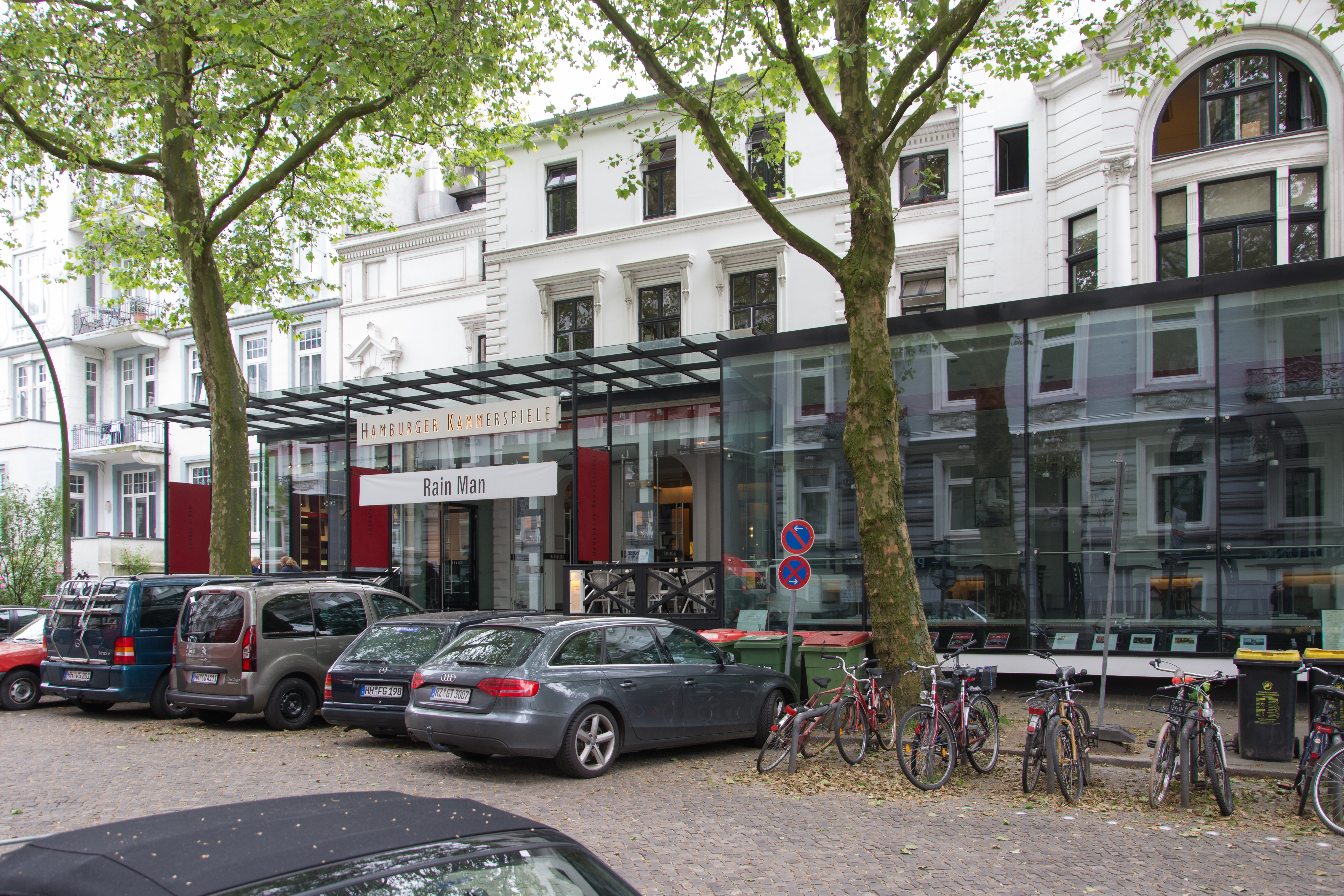
Hamburger Kammerspiele
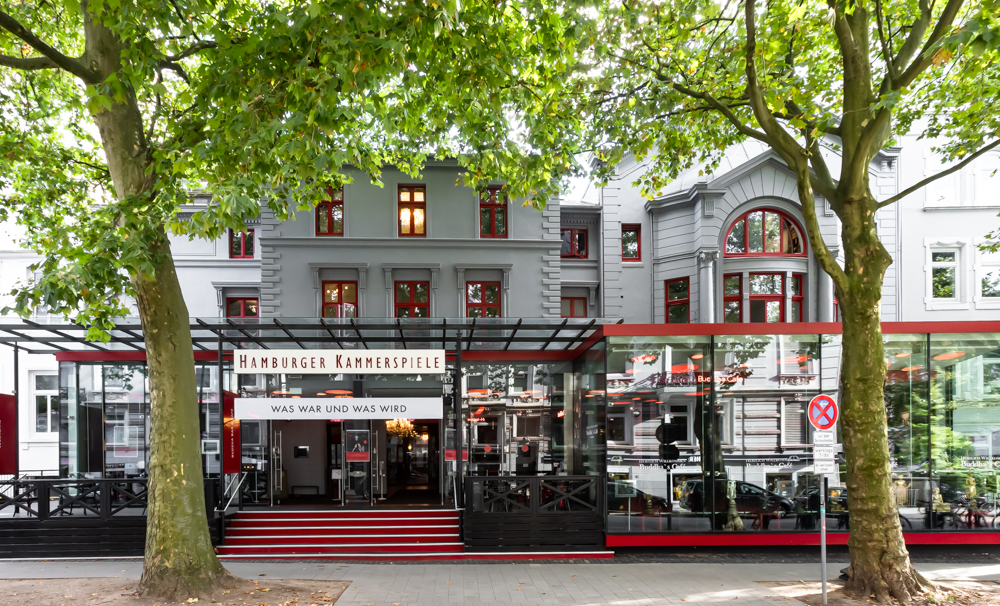
In the heart of the historic Grindelviertel district—once the center of Jewish life in Hamburg—the Hamburger Kammerspiele on Hartungstraße stands as a testament to a moving chapter in German cultural history. The fact that this traditional theater remains deeply rooted as a Jewish site of remembrance to this day has both historical and human reasons.
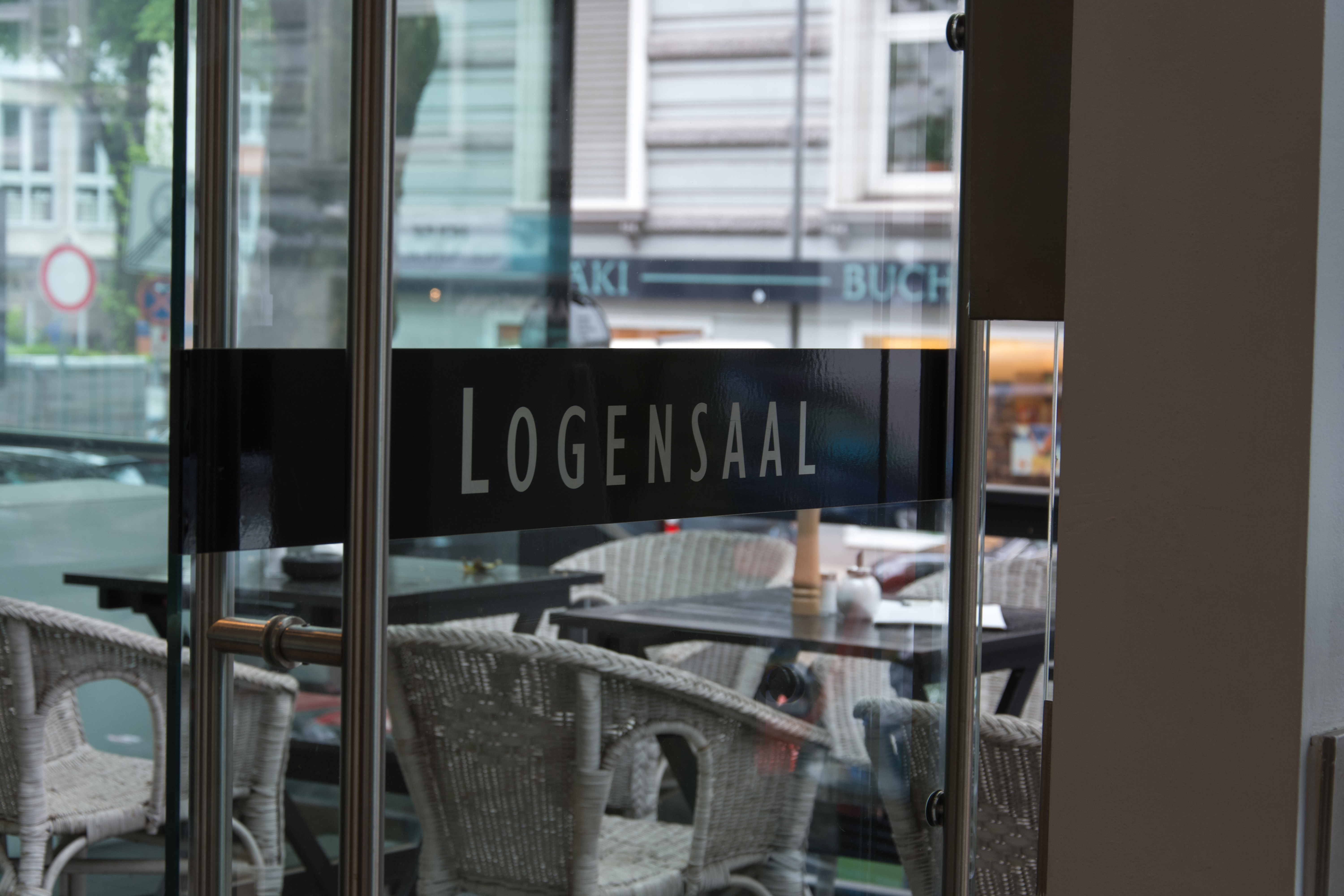
Originally built in 1903 by the Jewish Henry-Jones-Loge as a lodge hall, the site quickly developed into a vibrant meeting place for Jewish intellectual and cultural life.
During the Nazi dictatorship, the building was assigned a tragic yet significant role: Following the professional ban imposed on Jewish artists, from 1938 onward it served as a refuge for the Jüdischer Kulturbund Hamburg. Despite repression and surveillance by the Gestapo, Jewish cultural practitioners staged theater evenings and concerts here for an exclusively Jewish audience until its violent dissolution in 1941—the last place of cultural self-assertion before deportation.
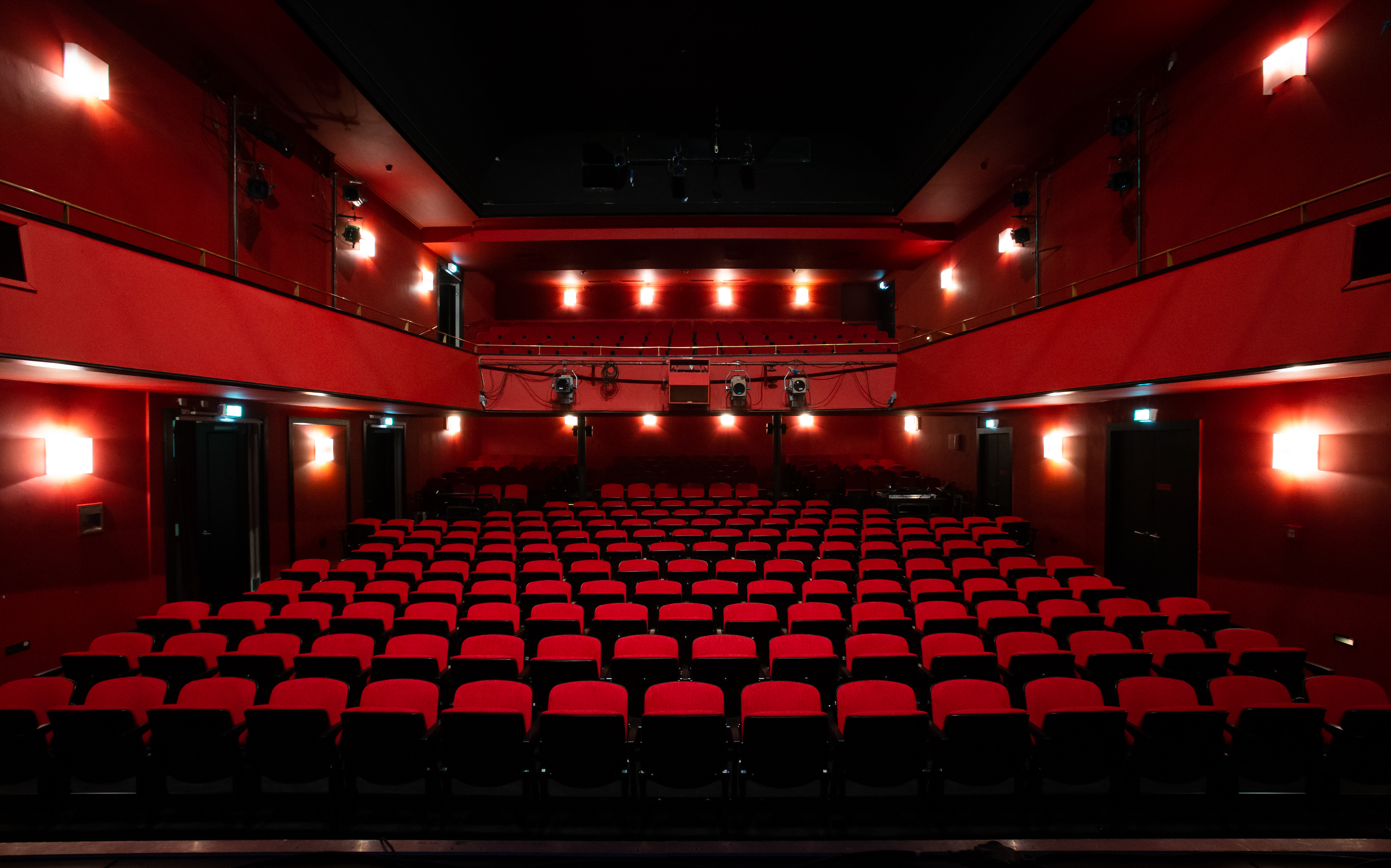
The building experienced a rebirth immediately after the war: Jewish actress Ida Ehre, who had survived the Nazi regime and imprisonment in Fuhlsbüttel concentration camp, re-established the Kammerspiele in September 1945. For more than four decades, she shaped the theater as its artistic director. With the courage to tackle uncomfortable subjects—as demonstrated by the legendary premiere of Wolfgang Borchert’s The Man Outside (1947)—Ida Ehre transformed the Kammerspiele into a stage for humanism, socially critical drama, and reconciliation.